



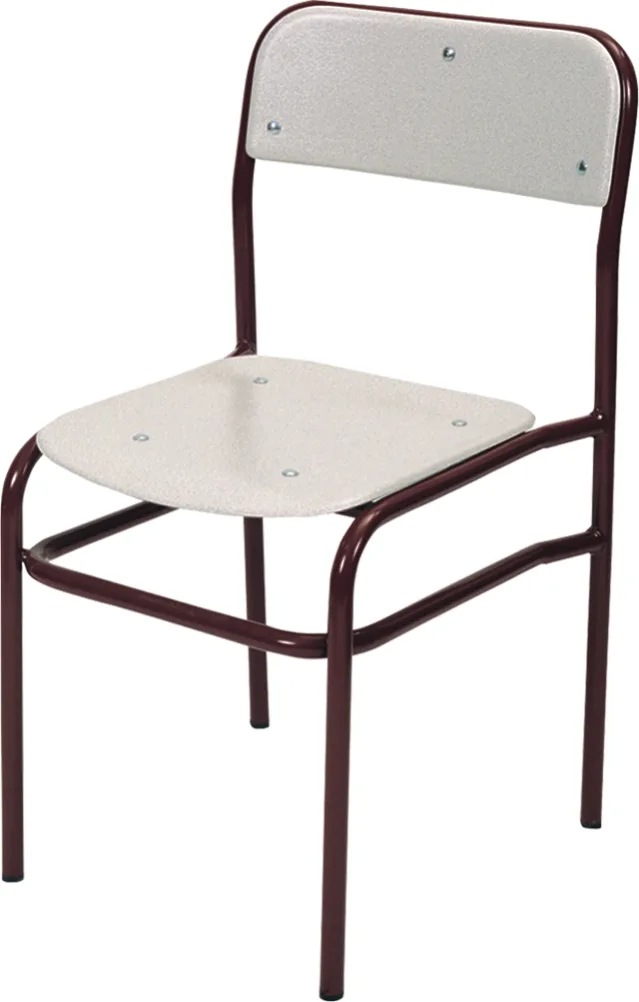
Werzalit Student Chair
Product Code: SN 20
Werzalit student chair: screw-mounted Werzalit seat and backrest panels, powder-coated tube profile frame. Suitable for classroom and dining hall use.
- Product code
- SN 20
- Seat & backrest
- Werzalit panel, bolted to the frame
- Frame
- Electrostatic powder-coated tube profile, four legs
Free project survey Custom, quote-based pricing TSE / ISO 9001 certified production
Key Features
- Werzalit seat and backrest panels — stable against moisture, liquid does not soak through the surface
- Usable in two environments at once: classroom and dining hall
- Single-type supply — removes the need to hold two separate stock and spare lines
- Panels bolted to the frame — damage to a surface does not concern the whole body
- Electrostatic powder-coated tube profile frame with horizontal rails at the sides and front
- Leg form narrowing towards the front — stackable
- No recess to collect dirt, wipes with a damp cloth, retains no odour
- Frame colour chosen from the RAL chart
Product Description
The Werzalit student chair is the classic school chair, with seat and backrest produced from Werzalit panel and bolted to a tube profile frame. Being usable in two different environments — classroom and dining hall — makes it a practical option for schools that want a single supply type across multi-purpose buildings.
The Werzalit panel: why this material?
Werzalit is a wood-based board densified by pressing under high pressure. It has a long history of use in school furniture, and the reason is a single property: it behaves markedly more stably against moisture than ordinary wood boards. Its tendency to swell and blister on contact with liquid is low, and because its surface is closed, liquid does not soak inside.
That behaviour is the direct reason the chair can be used in a dining hall environment. In a space where meals are served, spillage, wiping and wet cleaning are a daily routine; the life of wood-veneered panels is shortened under those conditions. A Werzalit surface, by contrast, can be wiped down with a damp cloth and left.
Classroom and dining hall: two environments, one chair
Most schools supply a separate chair type for classroom and dining hall; that means two separate stocks, two separate spare-part lines and two separate maintenance items. Being able to use the same chair in both environments removes that duplication. The practical result is this: a chair worn out in the dining hall can be replaced from classroom stock, the spares ordered fit both areas, and the school works from a single product.
The same advantage applies in multi-purpose halls. In a hall moving from a conference layout to a dining layout, using one chair type preserves both visual consistency and operational simplicity.
A less-discussed benefit of single-type supply lies in the purchasing process. Two separate products mean two quotations to obtain, two deliveries to plan and two products to approve; with one product that process halves. In public institutions, simplifying the tender item also produces a direct time saving. This is not a technical property of the product, but it is a real advantage felt on the purchasing side.
Screw-mounted panel construction
The seat and backrest are separate panels bolted to the frame. What distinguishes this construction from monobloc chairs is that the panels are pieces independent of the frame. Damage occurring on a surface does not concern the whole body. On the other hand, bolted connections can loosen over time; a simple tightening check once a year noticeably extends the chair’s life. We recommend adding that check to the school’s general maintenance list — a few minutes’ work heads off a problem that would otherwise turn into a moving panel.
Tube profile frame and stacking
The frame is produced from electrostatic powder-coated tube profile. The legs are joined to one another by horizontal rails at the sides and the front; those connections prevent the chair shearing under forces arriving from the side. Because the leg form narrows towards the front, the chairs can be stacked and the space cleared when needed. The plastic glides at the leg ends protect the floor.
The frame colour is chosen from the RAL chart; schemes contrasting with or matching the panel colour can be built. Choosing different frame colours for the dining hall and the classroom is a simple way of separating the areas visually while continuing to use the same product.
Cleaning, hygiene and daily maintenance
Because closed-surface panels do not absorb liquid, daily cleaning is done with a damp cloth. Unlike fabric-upholstered chairs, stains do not soak in and odours are not retained — decisive for hygiene in areas where meals are served. The flat geometry of the panels leaves no recess to collect dirt. If disinfectant cleaning will be applied, we recommend sharing the chemical the product will be exposed to before ordering; we can assess surface behaviour accordingly.
Long-term cost: why is it still preferred?
Purchasing decisions on school furniture are often made on unit price, whereas real cost comes out when divided by how many years the product serves. That is where the reason for this chair’s long-standing use lies: because the panel material resists moisture, it gives a longer life than expected even in demanding environments such as dining halls, while the frame stays a simple and repairable structure.
The plain geometry of the tube profile frame makes intervention easier in case of damage. Unlike bodies requiring complex moulds, here a weld point or a bent profile can be repaired even in local workshops. Because the expected service life of furniture in state schools often exceeds what was projected, repairability becomes a more decisive item in the long run than unit price. Most of the institutions that choose this chair make that calculation from experience over the years.
Ordering and delivery
Quantity, panel and frame colour and height are determined on the order. If you are buying the same chair for both classroom and dining hall, planning the total quantity in one go is advantageous for both price and colour consistency — a difference in tone may be visible between batches produced at different times. On high-quantity orders, where the school has no temporary storage area, planning delivery in batches keeps the corridors clear and the products undamaged; because chair delivery requires no installation, it suits that flexibility. The project survey is free of charge. The delivery charge is calculated according to order volume and destination province, shown as a separate item in the quotation, and is not included in the product price.
Models and Variants
| Model | Code | Description |
|---|---|---|
| Werzalit Chair — Classroom Build | SN 20 | Panel and frame colours chosen to match the classroom furniture. The standard configuration for daily lesson use. |
| Werzalit Chair — Dining Hall Build | SN 20 | A different frame colour separates the dining area visually. Same product, a surface suited to wet cleaning. |
| Werzalit Chair — Multi-Purpose Hall | SN 20 | Used, thanks to its stackable construction, in halls that switch between conference and dining layouts. |
Frequently Asked Questions
Can Werzalit material be used in a dining hall?
Yes, and that is precisely this product's standout feature. Werzalit is a board pressed under high pressure; it behaves markedly more stably against moisture than ordinary wood boards. Its tendency to swell on liquid contact is low and, because its surface is closed, liquid does not soak inside.
Does it make sense to buy the same chair for classroom and dining hall?
Most schools supply two separate types; that means two stocks, two spare-part lines and two maintenance items. Being able to use the same chair in both environments removes that duplication: a chair worn out in the dining hall can be replaced from classroom stock and the spares ordered fit both areas.
What are the advantages and disadvantages of bolted panels?
The advantage is that the panels are pieces independent of the frame — damage to a surface does not concern the whole body. The disadvantage is that bolted connections can loosen over time. A simple tightening check once a year heads that off; we recommend adding it to the school's general maintenance list.
Can the chairs be stacked?
Yes. Because the leg form narrows towards the front, the chairs stack. In multi-purpose halls moving from a conference layout to a dining layout, that feature allows the space to be cleared quickly.
How do we determine the colours?
The frame colour is chosen from the RAL chart and the panel colour from its own chart. Choosing different frame colours for the dining hall and the classroom is a simple way of separating the areas visually while continuing to use the same product.
Can we use disinfectant cleaning?
Because the surface is closed, daily wet cleaning poses no problem. If you will apply disinfectant cleaning we recommend sharing the chemical you will use before ordering; we can assess surface behaviour accordingly.
Should we place the order all at once?
If you are buying for both classroom and dining hall, planning the total quantity in one go is advantageous. A difference in panel and paint tone may be visible between batches produced at different times; production in one batch preserves colour consistency.
Other Groups in the Same Category
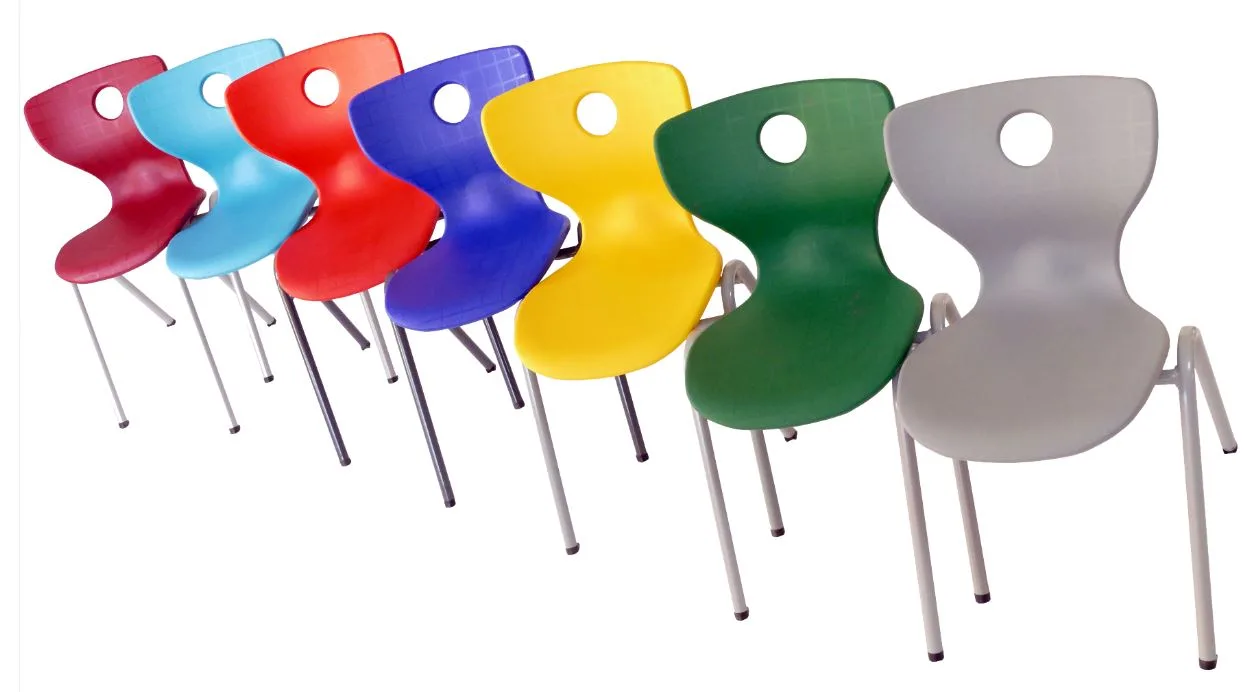
Dolse Student Chair
Dolse monobloc student chair: one-piece flexible plastic seat and backrest, seven colour options, powder-coated tube profile legs. Light and stackable.
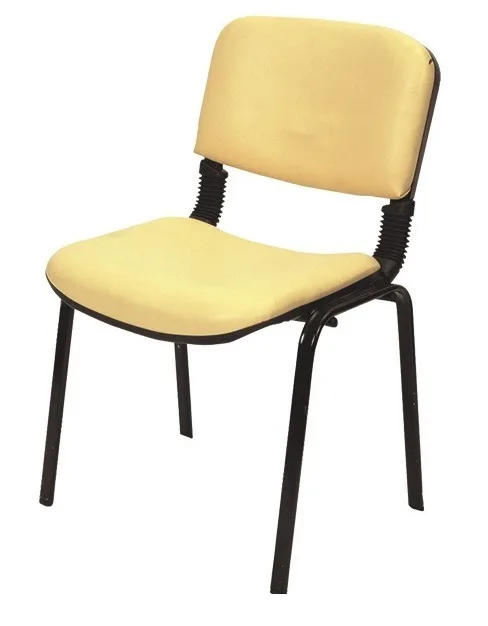
Form Student Chair
Form chair: fabric-over-foam upholstered seat and backrest, flexing backrest connection, stackable metal frame. For meeting and study halls.