



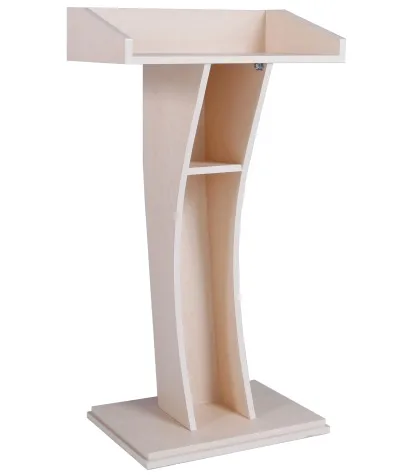
Wooden Speaker's Lectern
Product Code: KR 40
Wooden speaker's lectern: 18 mm MDF-lam body, forward-sloping reading surface and an internal lower shelf. For conference, ceremony and protocol areas. Code KR 40.
- Product code
- KR 40
- Use
- Public speaking, presentation, ceremony
- Body material
- 18 mm MDF-lam
Free project survey Custom, quote-based pricing TSE / ISO 9001 certified production
Key Features
- 18 mm MDF-lam body — a warm and formal appearance befitting hall furniture
- Sloping reading surface — the text sits at a natural angle, eye contact with the audience is not lost
- Tall closed body — covers the speaker from the waist down, gives the presentation a formal frame
- Lower shelf inside the body — spare text, water and microphone accessories stay out of sight
- Closed surface finish — wipes with a damp cloth, stains do not soak in
- Not fixed to the floor — portable, can be put into storage outside events
- Flexible use in multi-purpose halls
- MDF-lam colour chosen according to the hall's wood tones
Product Description
The wooden speaker’s lectern is a lectern produced from 18 mm MDF-lam panels and designed for conference halls, with a sloping reading surface and a lower shelf. It differs from metal-framed classroom lecterns in both material and function: the aim here is not to teach a lesson but to address an audience. It is the model institutions looking for a speaker’s lectern choose for ceremony, conference and protocol areas.
The difference between a speaker’s lectern and a classroom lectern
Although the two products have similar names, they do different jobs. A classroom lectern is a support surface standing beside the teacher through the lesson; it is light, mobile and modest. A speaker’s lectern stands on a stage or at the front of a hall — a piece of furniture the speaker steps behind, and one that expresses a stance.
That difference in function is reflected in the design. A speaker’s lectern has a taller and more closed body; it covers the speaker from the waist down, which both reduces the unease of standing in front of an audience and gives the presentation a formal frame. The surface on which the text or tablet rests is sloped, because a person standing has to bend their neck further when looking at a horizontal surface.
18 mm MDF-lam body
The body is produced from 18 mm MDF-lam panels. This wood-based material offers a warmer and more formal appearance in hall furniture than metal frames — that is the language a conference hall, a ceremony area and protocol spaces expect. The surface finish is closed; it is cleaned by wiping with a damp cloth and stains do not soak in.
18 mm thickness is the balanced point between durability and weight in panel furniture. The lectern has to stay portable; thicker panels make the body unnecessarily heavy, while thinner panels loosen at the joints over time.
Another difference of a wood-based body from a metal frame is sound. In arrangements where the microphone stands close to the lectern, metal surfaces transmit tapping and vibration more distinctly, whereas a panel body damps those sounds. The speaker resting a hand on the lectern, turning a page or tapping it lightly does not become noise carried into the sound system. At events broadcast live or recorded, that detail directly affects sound quality.
Sloping reading surface and lower shelf
The upper surface slopes forwards. That lets the speech text or a tablet sit at a natural reading angle; the speaker looks at the text by lowering their eyes rather than bending their head, so eye contact with the audience is not lost. In long speeches that detail directly determines both the speaker’s comfort and the impact of the presentation.
There is a lower shelf inside the body. A spare copy of the text, a water bottle, a microphone accessory or presentation notes go there; the speaker not having to carry those in hand simplifies the moment of stepping onto the stage. Because the shelf is not visible from outside, the hall’s tidy appearance is not disturbed.
Positioning in a conference hall
The position of a speaker’s lectern directly affects the hall’s acoustics and sight lines. Brought too close to the stage edge, those in the front row see the speaker from below; taken too far back, it can clash with the sound system and the projection screen. A lectern positioned in front of the screen casts a shadow during the presentation.
Share your hall plan and we can assess the lectern’s position together with the microphone, screen and lighting arrangement. If no fixed position is to be set, the lectern’s portability should be kept a priority in the design.
Lighting is another item often noticed late. Stage lighting should illuminate not only the speaker’s face but also the reading surface adequately; a harsh light from above can cast the speaker’s own shadow onto the text. If your hall has fixed stage lighting, we recommend setting the lectern position according to the angle of that light. There can also be cases where a reading lamp needs to be added to the lectern; if you have such a requirement we can assess it together at the survey stage.
Portability and storage
This lectern is not fixed to the floor; it can be carried when needed and put into storage outside events. In multi-purpose halls that is a decisive feature — a lectern used at a graduation ceremony does not have to stand in a hall hosting a sports event the next day. During storage we recommend covering the lectern, or keeping the surface it rests against soft, so the panel faces are not scratched.
Being portable also means it can be used in more than one space. Rather than buying separate lecterns for the conference hall, the sports hall, a garden ceremony and non-conference meetings, moving one lectern between spaces is a common approach. In that case the frequency of carrying increases, so the corner and edge regions of the body wear more; the staff carrying the lectern adopting a defined grip point and taking care at doorways noticeably extends its life. If you foresee frequent carrying, we recommend stating that at the ordering stage.
Ordering and delivery
MDF-lam colour and quantity are determined on the order. Harmony with the hall’s existing wood tones matters; we recommend sharing the colour of the stage floor, door frames and any wall cladding. Institutions generally order a single unit, but in buildings with more than one hall, production in one batch preserves colour consistency. Our survey service is free of charge. The transport charge is shown on its own line in the quotation and is calculated according to the delivery point.
On single-unit orders the share of delivery cost within the total can rise. For that reason, if your school has another furniture requirement — a classroom lectern, a teacher desk or chairs — we recommend including the lectern in the same shipment. One delivery both lowers cost and completes the handover day in one go. Share your requirement list as a whole and we can work out the most suitable shipment arrangement together.
Models and Variants
| Model | Code | Description |
|---|---|---|
| Wooden Lectern — Light Tone | KR 40 | Light MDF-lam tone. Compatible with bright halls and light-coloured stage floors. |
| Wooden Lectern — Dark Tone | KR 40 | Dark MDF-lam tone. Provides a more formal stance in protocol and ceremony areas. |
| Wooden Lectern — Multi-Hall Build | KR 40 | Production in one batch in buildings with more than one hall; colour consistency between halls is preserved. |
Frequently Asked Questions
Can this lectern be used in a classroom?
It can, but that is not the job it was designed for. A classroom lectern is a light, mobile support surface standing beside the teacher through the lesson; a speaker's lectern stands on a stage and is designed for addressing an audience. For a classroom, the Multi, Modena or Dünya lecterns are more suitable.
Why is the upper surface sloped?
A person standing has to bend their neck further when looking at a horizontal surface. A sloping surface lets the speech text or a tablet sit at a natural reading angle; the speaker looks at the text by lowering their eyes rather than bending their head, so eye contact with the audience is not lost.
Is there storage inside the lectern?
Yes, there is a lower shelf inside the body. A spare copy of the text, a water bottle, a microphone accessory or presentation notes go there. Because the shelf is not visible from outside, the hall's tidy appearance is not disturbed and the speaker does not have to carry those in hand.
Is it fixed to the floor?
No, this lectern is portable. In halls used for several purposes that is a decisive feature — a lectern used at a graduation ceremony does not have to stand in a hall hosting a sports event the next day.
Where in the hall should we place it?
The lectern's position directly affects acoustics and sight lines. Brought too close to the stage edge, those in the front row see the speaker from below; a lectern positioned in front of the projection screen casts a shadow during the presentation. Share your hall plan and we can assess the position together with the microphone, screen and lighting arrangement.
What should we base the colour choice on?
Harmony with the hall's existing wood tones matters. We recommend sharing the colour of the stage floor, door frames and any wall cladding. Light tones sit better with bright halls, dark tones with protocol and ceremony areas.
What should we watch for when storing it?
We recommend covering the lectern, or keeping the surface it rests against soft, so the panel faces are not scratched. The MDF-lam surface is durable in daily use, but edges resting directly against a hard surface can take marks over time.
Other Groups in the Same Category
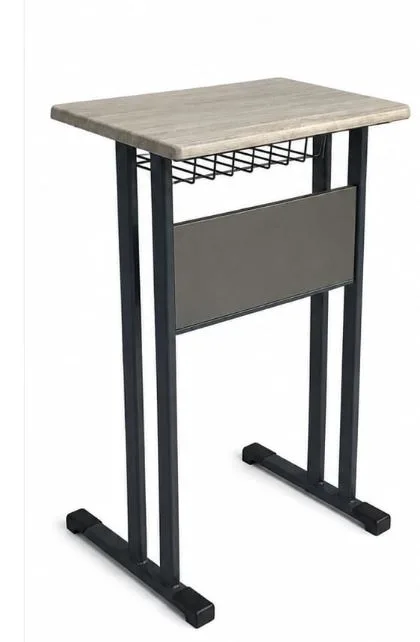
Dünya Teacher Lectern
Dünya teacher lectern: 45×63 Werzalit top, wire book rack beneath the top, flat panel front, upright twin tube profile frame and T-skid…
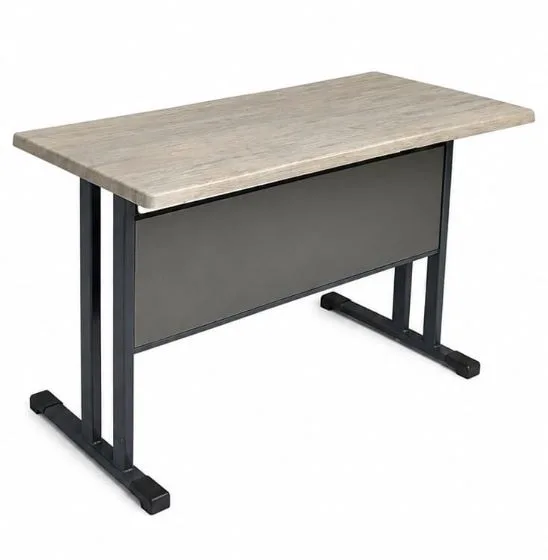
Dünya Teacher Desk
Dünya teacher desk: 60×110 melamine top, flat panel modesty screen, with drawer and an upright twin tube profile skeleton. For classrooms and…
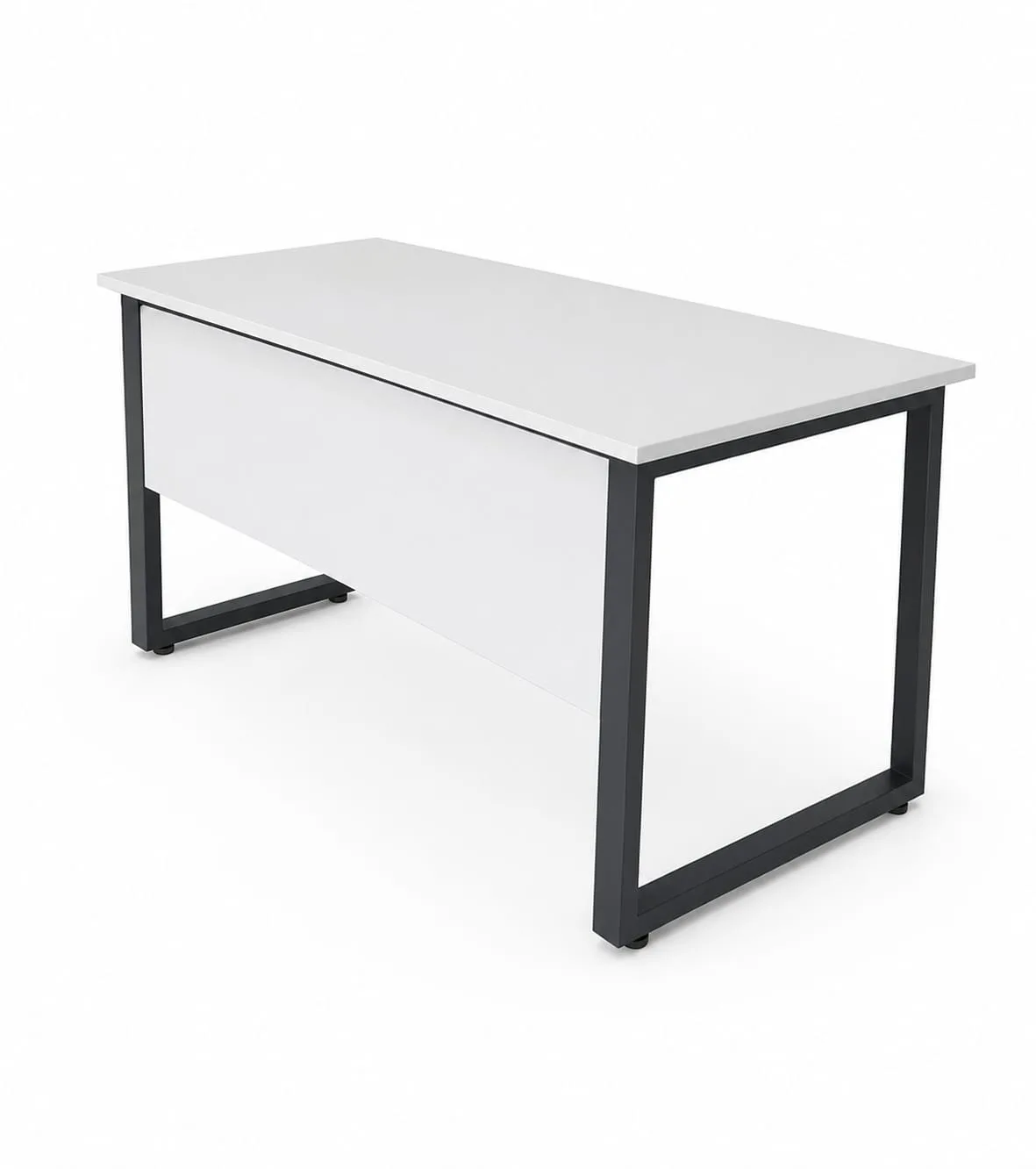
Leo Teacher Desk
Leo teacher desk: 60×110 cm melamine top, with drawer, closed-frame metal legs, flat modesty panel. For modern classrooms, staff rooms and administrative…