

Chairs
Dolse Student Chair
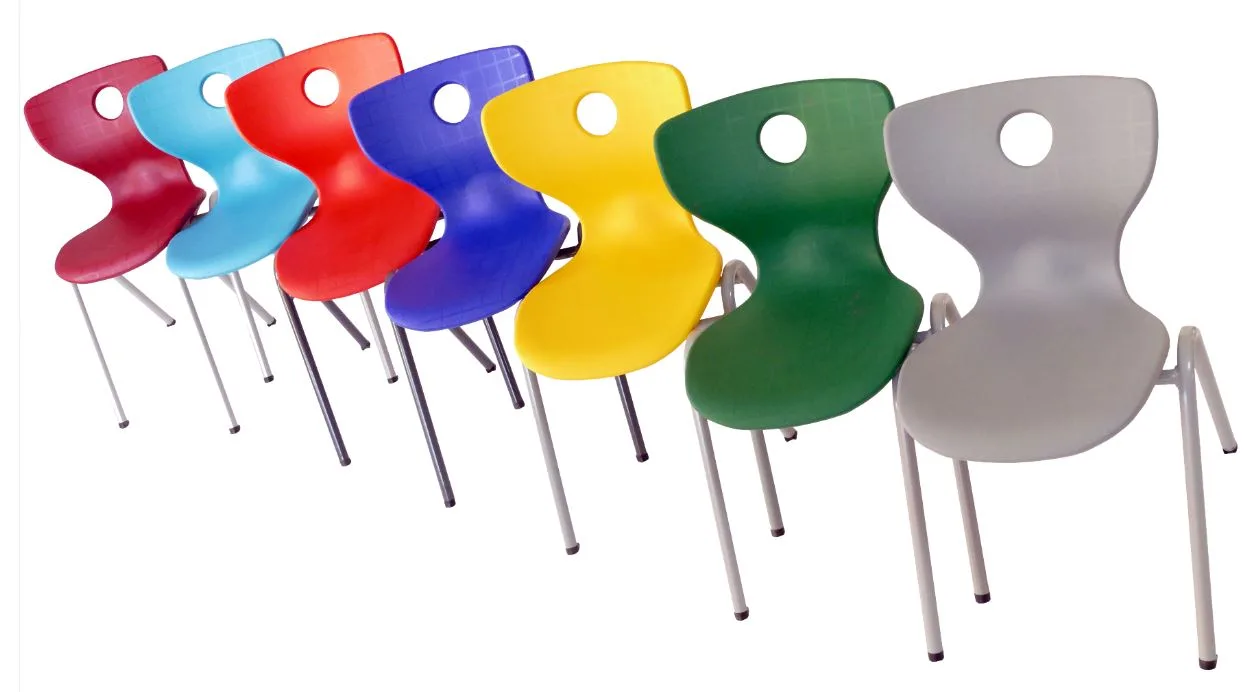
Dolse monobloc student chair: one-piece flexible plastic seat and backrest, seven colour options, powder-coated tube profile legs. Light and stackable.



5 product groups
Hygienic, foldable cafeteria tables and connected bench systems for high-turnover use.
Dolse monobloc student chair: one-piece flexible plastic seat and backrest, seven colour options, powder-coated tube profile legs. Light and stackable.
Canteen table with 30 mm melamine top for schools and institutions: 80x140 cm standard size, custom sizes available, powder-coated steel frame. Code…
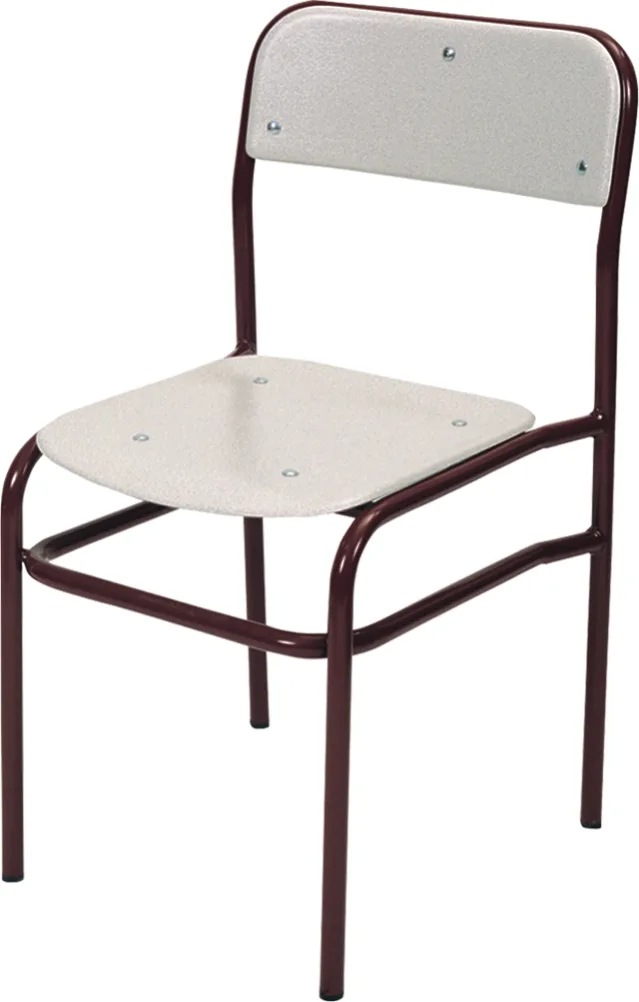
Werzalit student chair: screw-mounted Werzalit seat and backrest panels, powder-coated tube profile frame. Suitable for classroom and dining hall use.
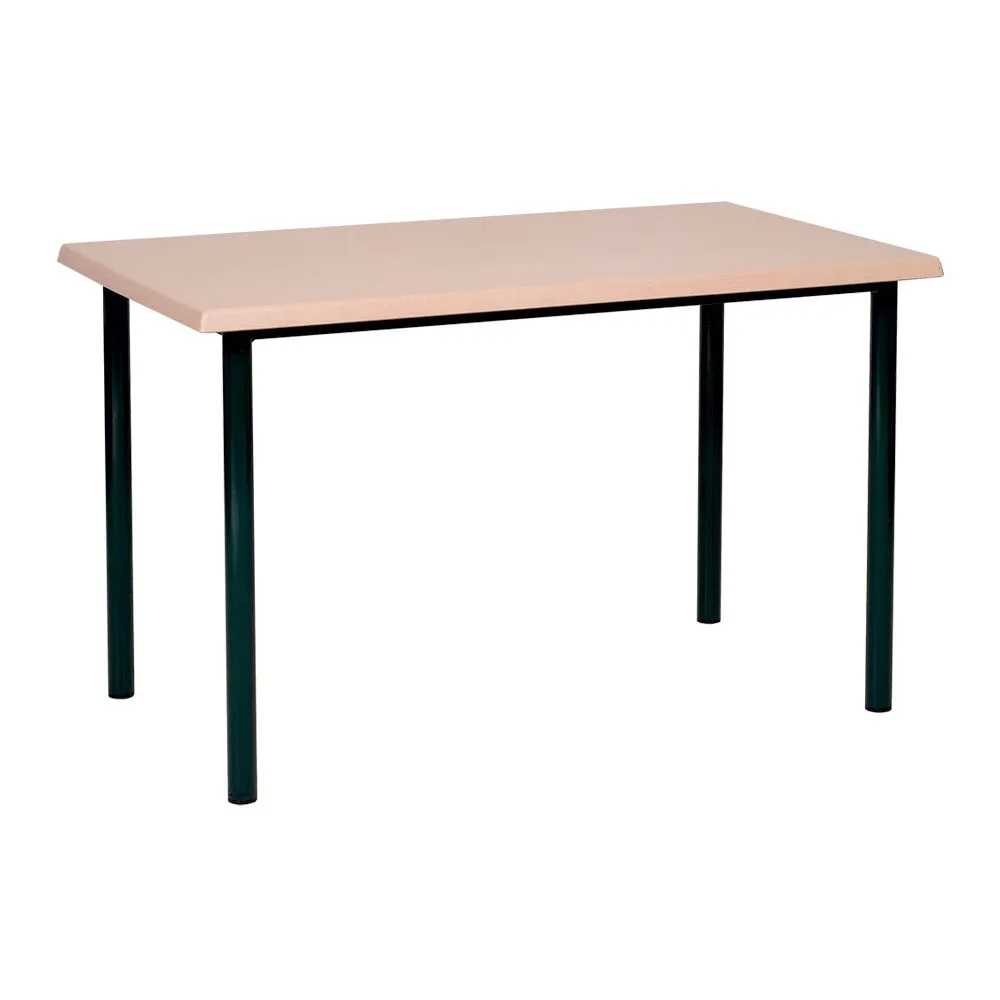
Werzalit-top table for school and institutional canteens: 80x140 cm moisture-resistant top, box profile frame, powder coating. Code YM 01.
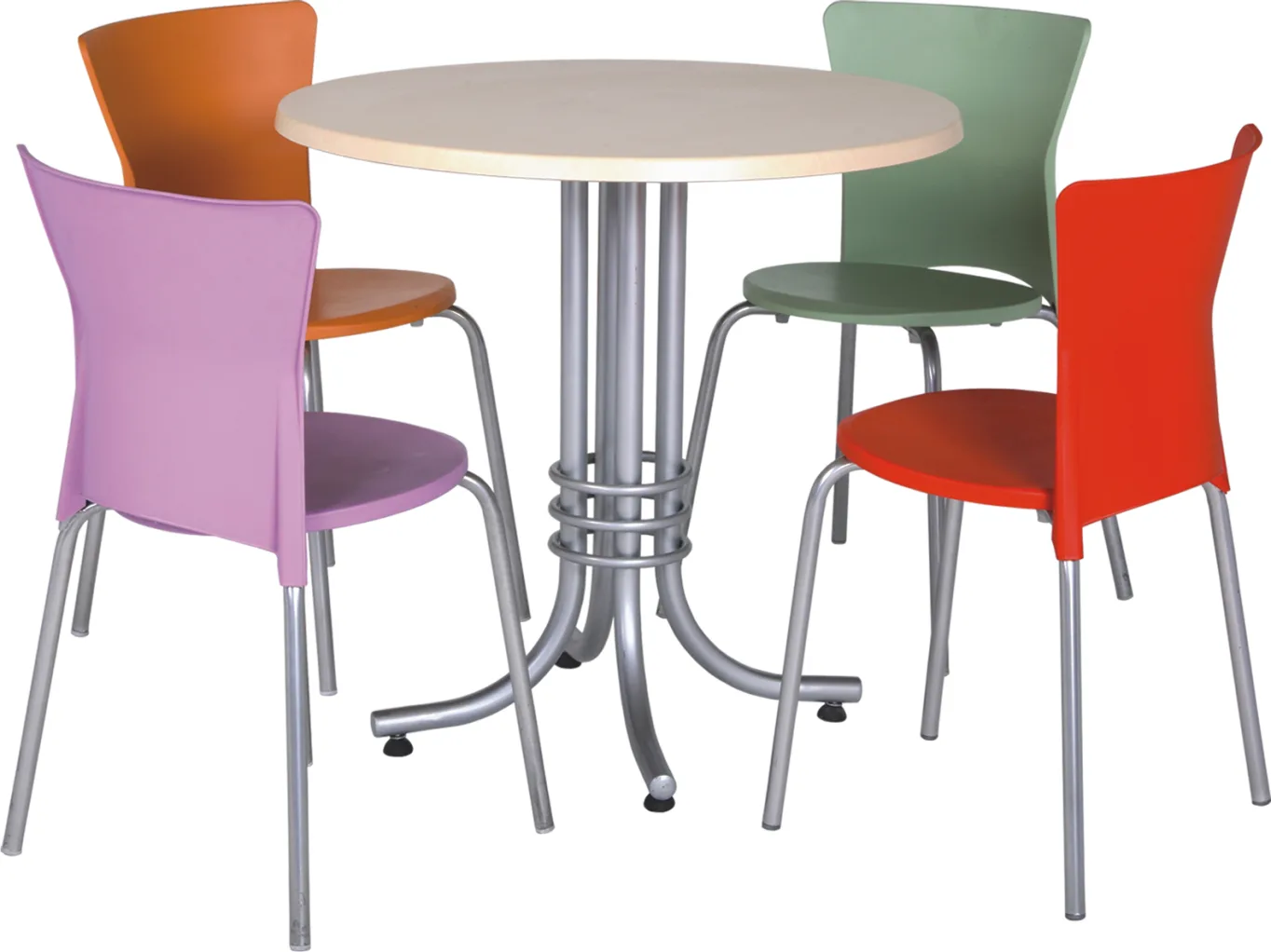
Round Werzalit-top table for school snack bars: 90 cm diameter, moisture-resistant top, powder-coated frame, seats four. Code YM 03.
School dining hall equipment is where durability is tested hardest. Several services run during the day, surfaces go through constant wet cleaning and furniture is used intensively at short intervals. Under those conditions material selection directly determines product life.
Spillage, wiping and wet cleaning are daily routine in a dining hall. Wood-veneered panels have a short life under those conditions: moisture enters through the cut edge, the panel swells and never returns to its original state.
The Werzalit-panelled chair suits exactly this need: the high-pressure pressed board is stable against moisture, its closed surface prevents liquid from soaking in, and it can be wiped down and left. Because the same chair also works in the classroom, it removes the need to hold two separate stock and spare lines.
Cleaning speed in a dining hall determines how tight the service intervals can be. Furniture with no seams, stitching or fabric surfaces wipes down in a single pass; fabric-upholstered seating is unsuitable here because it retains stains and odours.
The same principle applies to table surfaces: closed-surface tops with no recesses and protected edges clean faster and last longer. If disinfectant cleaning will be used, we recommend sharing the chemical before ordering.
Dining hall layout is a flow problem: where pupils enter, where they queue, where they collect a tray, where they sit and where they leave. When those flows cross, congestion forms and service time extends.
Table arrangement follows that flow; circulation width matters as much as seating capacity. In multi-purpose halls, stackable chairs are preferred — switching from a conference layout to a dining layout then takes minutes.
Noise is the most complained-about aspect of a dining hall. In a space dominated by hard surfaces, speech reflects and the overall level rises quickly — which extends service time and makes it harder for pupils to focus on eating.
A significant part of that noise comes from furniture: chair feet scraping the floor, trays set down on tables, chairs being pulled. The condition of foot glides therefore matters even more here than in classrooms; a worn glide puts the metal leg directly on the floor. A quick glide check at the start of each term makes an audible difference and extends the life of the floor covering too.
One final note: furniture quantity is determined by the number of pupils served simultaneously, not by total pupil numbers. Share how many sittings the service runs in and we will work out the real capacity requirement together — the most practical way to avoid both surplus furniture and a congested hall.
The Werzalit-panelled chair suits this. The high-pressure pressed board is stable against moisture, its closed surface prevents liquid from soaking in, and it wipes clean with a damp cloth. Fabric-upholstered seating is not recommended because it retains stains and odours.
Yes, and it is a common choice. Using one chair in both environments removes the need for two separate stock, spare and maintenance lines; a chair worn in the dining hall can be replaced from classroom stock.
Layout is a flow problem: where pupils enter, where they queue, where they collect a tray, where they sit and where they leave. When those flows cross, congestion forms and service time extends. Circulation width matters as much as seating capacity.
Yes — in that case stackable chairs are preferred. Switching from a conference layout to a dining layout takes minutes, and chairs can be stacked aside outside event times to clear the space.
Daily wet cleaning poses no problem on closed-surface materials. If you will use disinfectant cleaning we recommend sharing the chemical before ordering so we can assess surface behaviour accordingly.