

Chairs
Dolse Student Chair
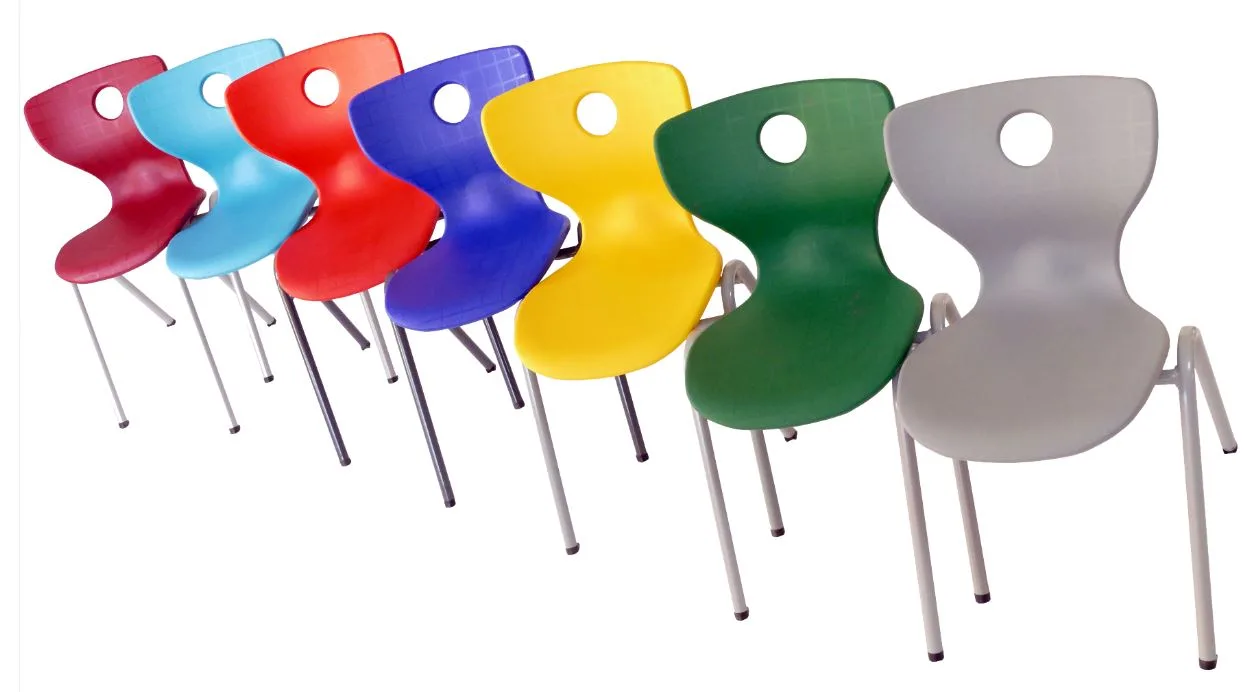
Dolse monobloc student chair: one-piece flexible plastic seat and backrest, seven colour options, powder-coated tube profile legs. Light and stackable.



4 product groups
Acid/chemical-resistant benches, sinks and utility units for physics, chemistry and biology laboratories.
Dolse monobloc student chair: one-piece flexible plastic seat and backrest, seven colour options, powder-coated tube profile legs. Light and stackable.
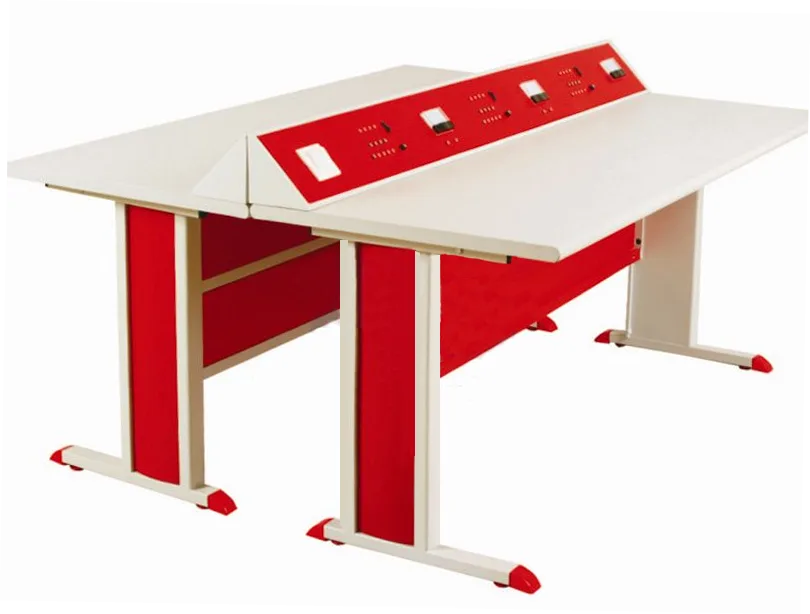
Student table and under-unit for school physics laboratories: fibre or CDF top, flat and vibration-free work surface, powder-coated rigid frame.
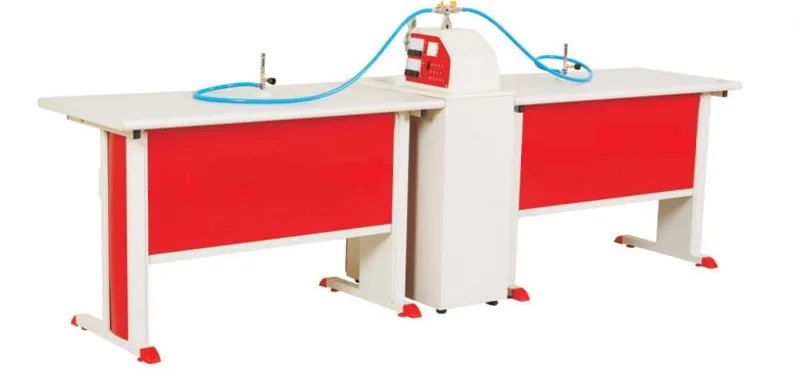
Student table and under-unit for school chemistry laboratories: fibre or CDF chemical-resistant top, powder-coated frame, project-based production.
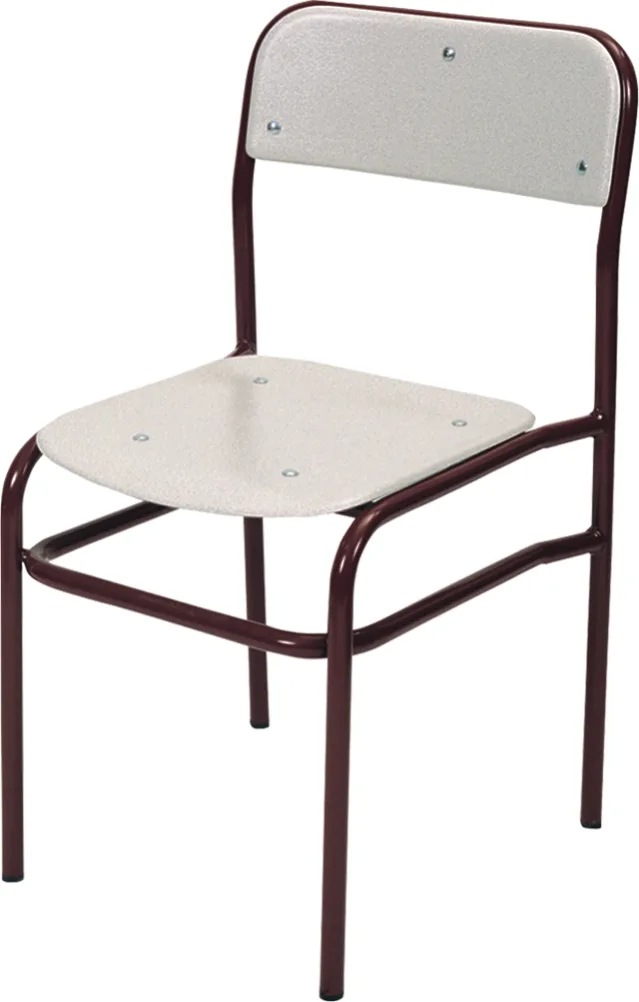
Werzalit student chair: screw-mounted Werzalit seat and backrest panels, powder-coated tube profile frame. Suitable for classroom and dining hall use.
School laboratory setup is the area where furniture selection is most technical. In a science or chemistry laboratory, surfaces must withstand not only use but wet cleaning, chemical contact and heat. This page explains what we look at in laboratory projects.
In ordinary classroom furniture, the surface decision is largely a question of appearance and cost. In a laboratory it becomes a question of service life: spilled liquid, frequent disinfectant cleaning and contact during experiments put the surface under constant stress.
Under those conditions, high-pressure pressed materials such as compact laminate and CDF come to the fore. Their closed, dense structure prevents liquid from penetrating and keeps swelling and lifting to a minimum. The same materials are offered as options on our student desks — choosing compact tops for classrooms adjacent to laboratories is a common and sound approach.
In a laboratory, seating layout and safety are inseparable. Pupils must be able to move freely around the bench, exits must not be obstructed in an emergency and the teacher must be able to see every working position. That means keeping row spacing wider than in ordinary classrooms.
Cleanability comes first in seating selection. Fabric-upholstered surfaces are not suitable for a laboratory environment; spilled liquid and chemicals soak in. Monobloc plastic or Werzalit-panelled chairs wipe clean in a single pass and are the right choice for this environment.
Laboratory benches, sink units and storage cabinets are dimensioned to the room; plumbing points, electrical outlets and ventilation positions directly determine the layout. Laboratory projects therefore run from a site survey rather than a catalogue.
If you are refurbishing an existing laboratory, knowing where the plumbing and electrical services run speeds up planning noticeably. If you are building a new laboratory, developing the furniture layout together with the services drawing prevents later changes. Share your room dimensions and the laboratory type and we will prepare a project proposal and price quotation; the survey is free of charge.
In a laboratory, order is a safety matter. Experiment materials, glassware and chemicals must have defined places and return to them after use. Storage is therefore as important an item as the benches themselves.
Storage needs vary by laboratory type: glassware and microscopes in a science laboratory, a lockable chemical cabinet in chemistry, cable management in a computer laboratory. Physically separating what pupils may reach from what they may not is particularly important at pre-school and middle-school level. Share your laboratory type and what will be stored, and we will develop the storage layout together with the bench arrangement.
Usage calendar is part of the planning too. Work requiring service intervention cannot be done during term, so installation is usually timed for the summer holiday. Share your calendar early and we will schedule production to deliver while the school is empty.
High-pressure pressed materials such as compact laminate and CDF come to the fore. Their closed, dense structure prevents liquid penetration and keeps swelling to a minimum. They also withstand frequent disinfectant cleaning better than ordinary melamine surfaces.
Fabric-upholstered surfaces are not suitable for this environment; spilled liquid and chemicals soak in. Monobloc plastic or Werzalit-panelled chairs wipe clean in a single pass and are the right choice for a laboratory.
Spacing is kept wider than in ordinary classrooms. Pupils must be able to move freely around the bench, exits must not be obstructed in an emergency and the teacher must be able to see every working position.
No, it is produced project by project. Benches, sink units and storage cabinets are dimensioned to the room; plumbing points, electrical outlets and ventilation positions directly determine the layout.
Knowing where the existing plumbing and electrical services run speeds up planning. In new installations, developing the furniture layout together with the services drawing prevents costly later changes.